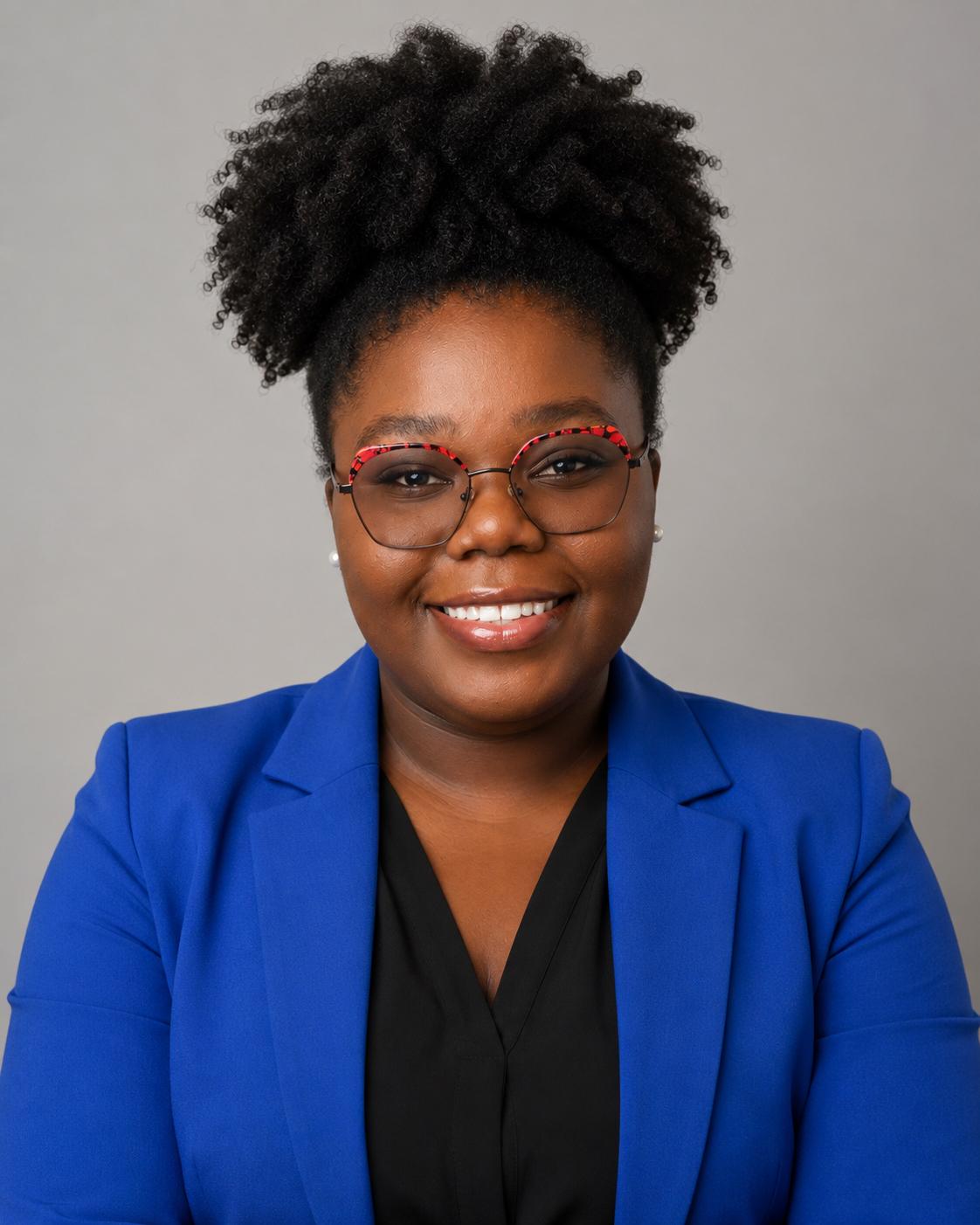
Revealing singularities
I deeply believe that every human being carries a light of their own. A light sometimes eclipsed by hardship, discrimination, conflict, inequality, or the circumstances of life. Yet when it is recognised, supported and valued, that singularity becomes a force capable of transforming a life path, an organisation, and sometimes even a society.
My journey, between the Democratic Republic of Congo and France, has brought me into contact with people whose stories have deeply shaped how I see the world. These encounters taught me that beyond cultural, social or generational differences, fundamental needs remain the same: to be heard, to be respected, to be able to act and to find one's place.
Through communication, training, project support, awareness-raising and cooperation between stakeholders, I want to help build environments where everyone can develop their potential and take a full part in collective life.
I don't see communication as a mere tool for broadcasting information. I see it as a lever for understanding, dialogue and social transformation. Because I am convinced that revealing a singularity means allowing a light to shine. And that together, these lights can transform our shared future.
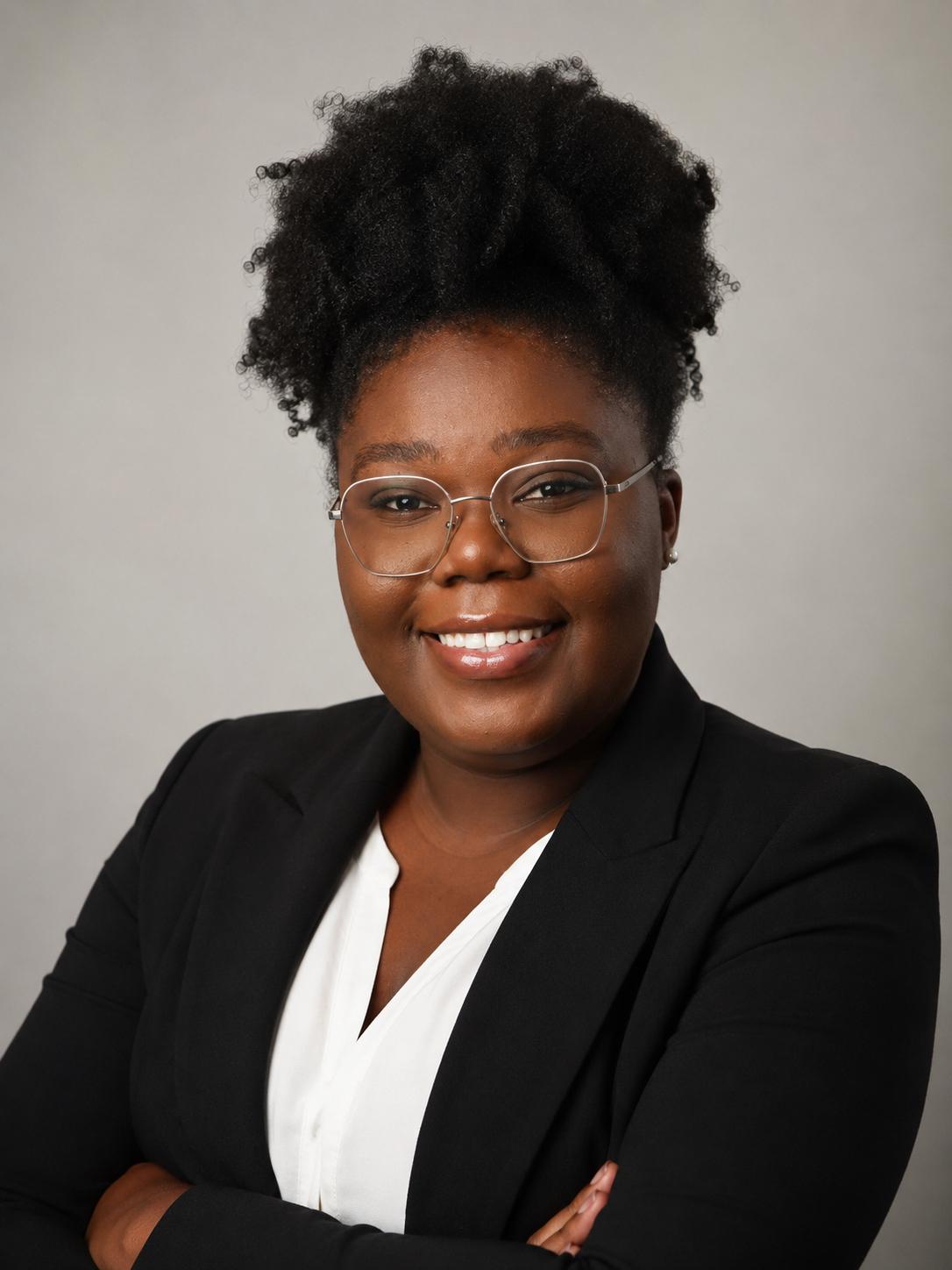
The origins of a conviction
I was born in Kinshasa, in the Democratic Republic of Congo, a few months after the First Congo War, five months after the AFDL took power. From an early age, I understood that behind the statistics and the grand speeches were real lives, families and dreams.
In 2015, as I stepped off a bus at the entrance to the University of Kinshasa, I noticed a boy of around eight selling bottles of water by the roadside, on a school day. I never spoke to him. But I never forgot his gaze. Walking home, one question stayed with me: what can I do, at my own scale, so that children like him have other prospects? That question is what led me to my first community engagement, with Young for Young.
A few years later, experiences of sexual harassment I faced led me to become more involved in women's rights and the promotion of responsible female leadership, with Forêt des Femmes Leaders.
When I arrived in France, an experience of discrimination during my first year at university shook my certainty that skills alone would make the difference. As painful as that experience was, it did not feed resentment: it gave me the will to help create environments where everyone is welcomed with dignity, whatever their origin, background or singularity.
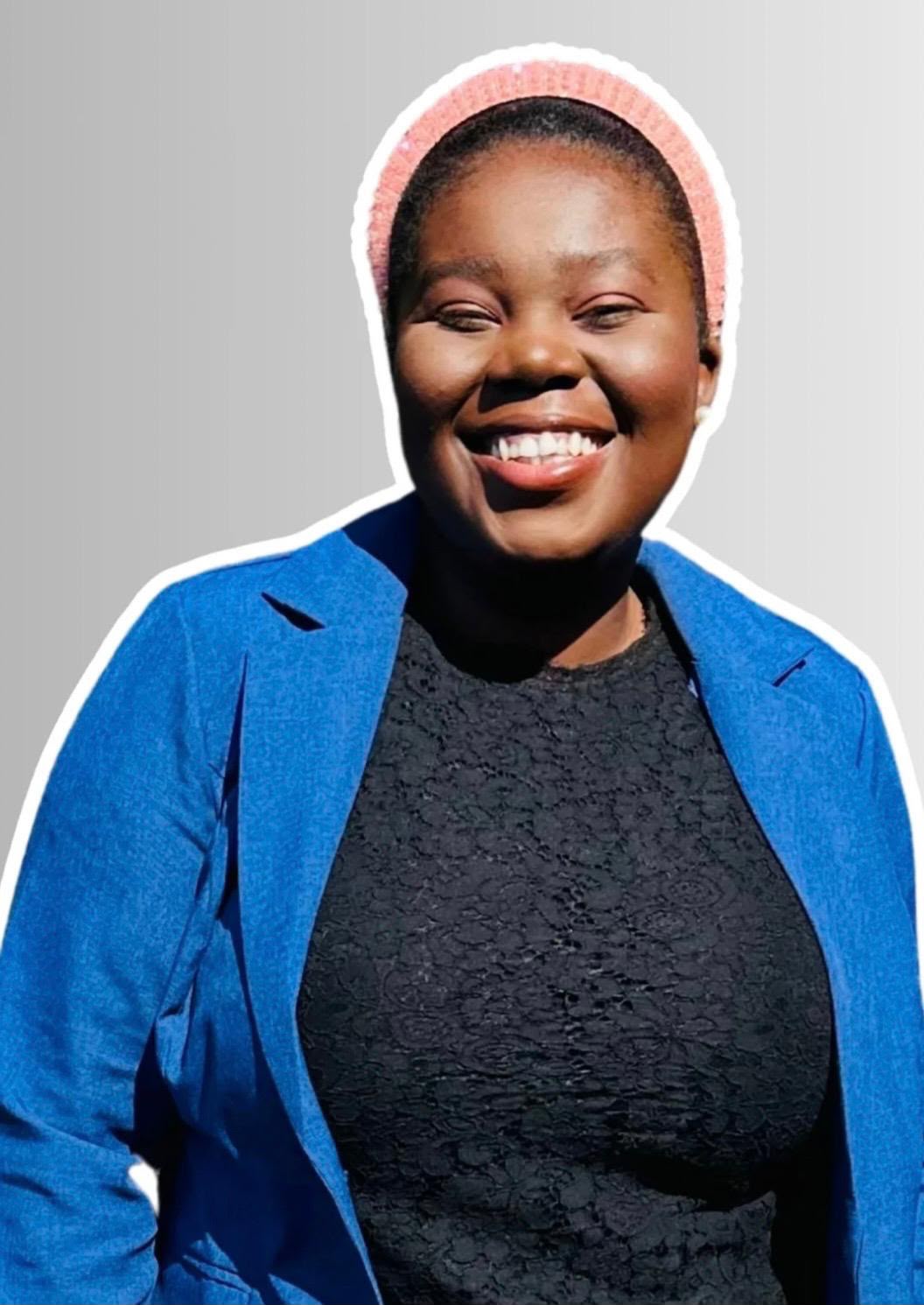
Three values, one throughline
My conviction
- Every person carries a singularity which, when recognised and supported, becomes a strength
- Beyond our differences, the same needs: to be heard, respected, able to act
How this plays out
- Communication conceived as a lever for dialogue, not just for broadcasting
- Individualised support, adapted to each personality
What I don't do
- Reduce support to a technical response rather than a human one
What I'm working toward
I want to continue my path within national and international organisations engaged in these fields, contributing to the design, delivery and evaluation of public policies and projects that support people's empowerment and strengthen community resilience.
Education
Child protection
Human rights
Inclusion
Conflict prevention
Public communication
International development
Fieldwork + research + communication + project design
Languages taught me to build bridges. Communication taught me to understand discourse. Public communication taught me to understand organisations. Fieldwork taught me to understand people.
Today, these four dimensions come together in a single approach: supporting those who want to build more inclusive, fairer and more human projects.
See how this translates into projects