Engaging for European citizenship and democratic dialogue
Context
Convinced that today's major challenges call for cooperation between peoples and institutions, I joined Jeunes Européens France to better understand how the European Union works and to help promote European citizenship among young people.
My role
Active member: taking part in conferences, training sessions and civic debates on European issues.
My main contributions
Conferences and training
Notably during Europe Week.
- European citizenship, how EU institutions work, international relations
- Two-day training on European issues and civic participation
- Two-day training on the Erasmus+ programme
Civic debates
- The future of the European Union, European democracy, federalism
- Human rights and combating disinformation
The essentials
- Population reached
- Young people, students, citizens, nonprofit stakeholders
- Key skills
- European citizenship, public policy analysis, intercultural dialogue
- Partners involved
- Jeunes Européens France, European network, universities
- Impact
- Strengthening a culture of dialogue, cooperation and civic engagement
Results
- Active participation in Jeunes Européens France's activities
- Took part in several Europe Week conferences
- Training on European policy and the Erasmus+ programme
Skills mobilised
What this experience taught me
This experience allowed me to move beyond a theoretical understanding of European integration and grasp its human, political and institutional dimensions.
Gallery
Photos, posters, articles or certificates related to this project.
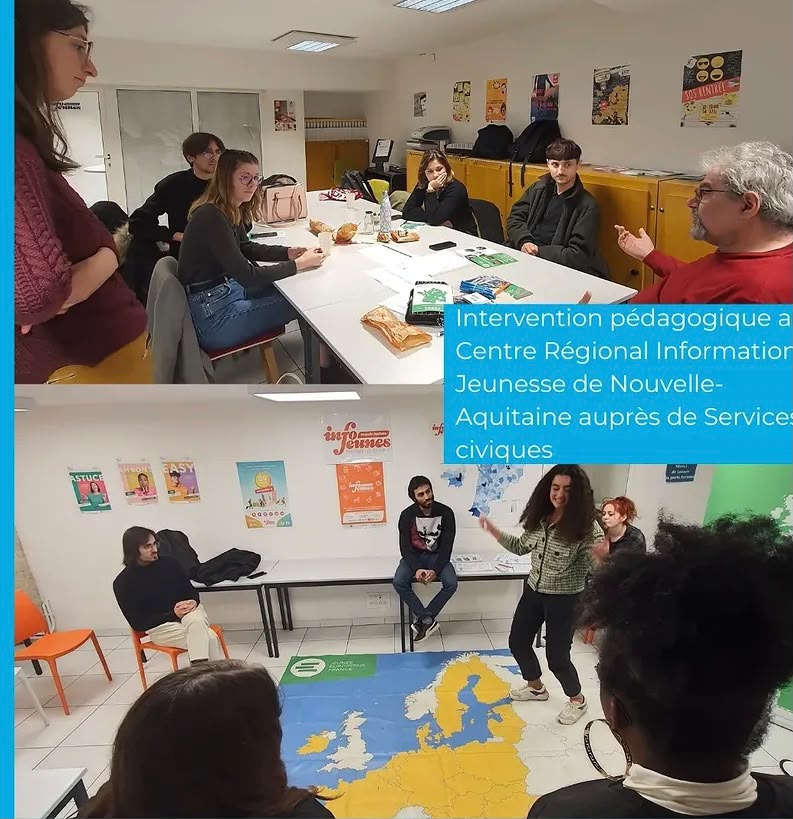
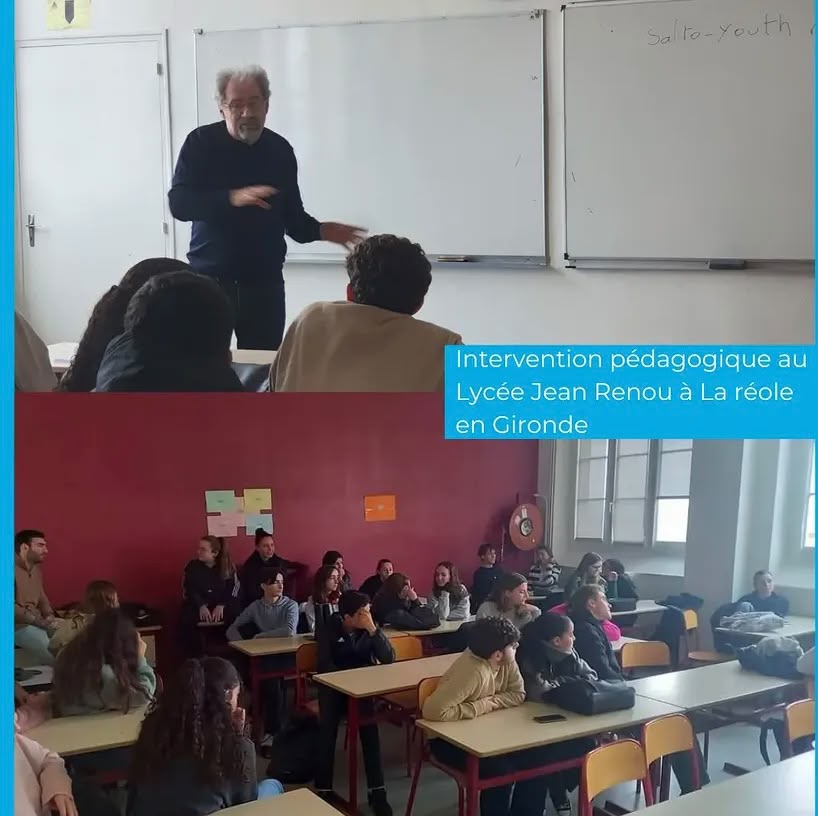
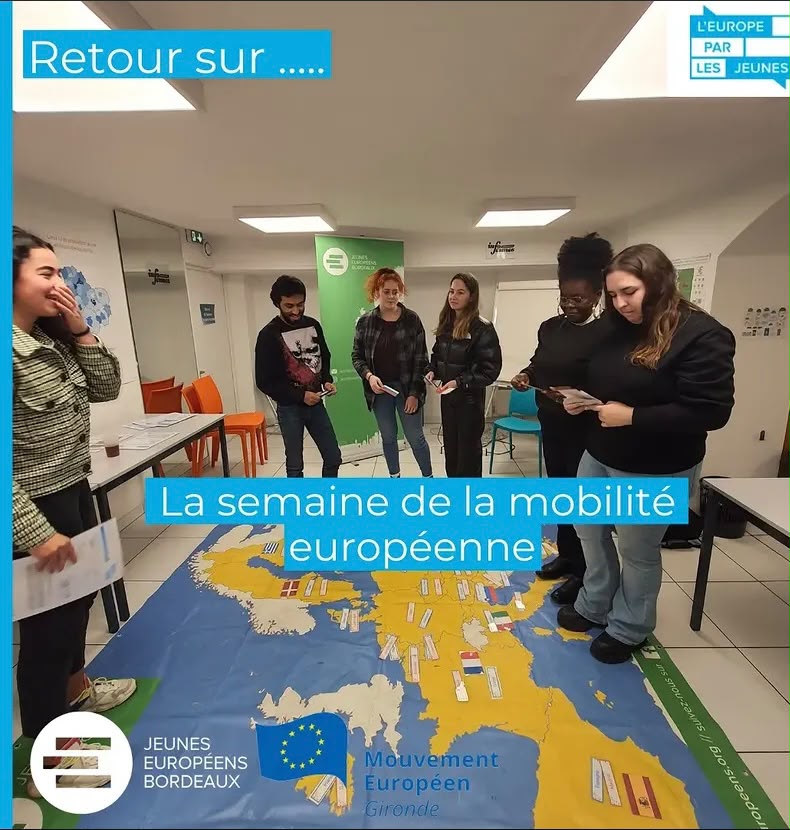
What I took away from it: this training, for civic service volunteers, of whom I was one, focused on techniques for engaging with young people. It introduced the "L'Europe par les jeunes" programme and the many opportunities Europe offers young people, along with the concepts of European citizenship and civic engagement. It also included a session dedicated to preparing our own high school sessions.
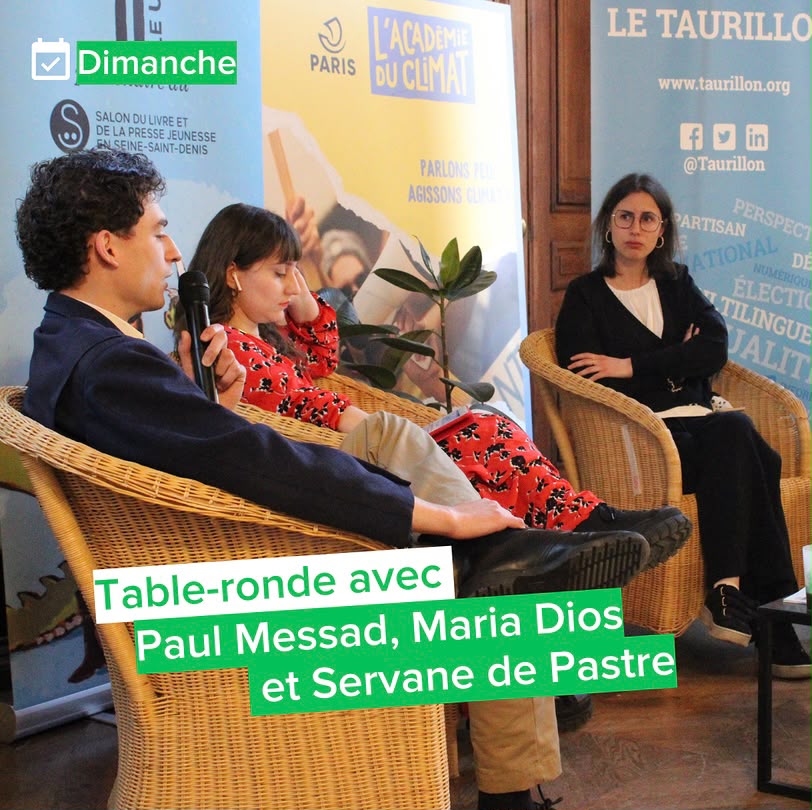
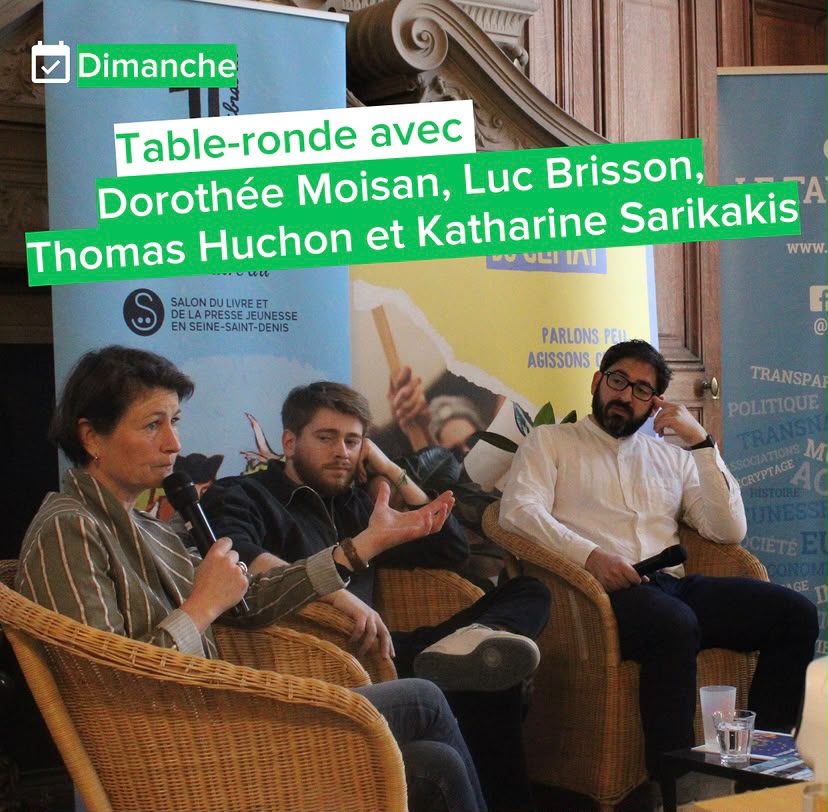
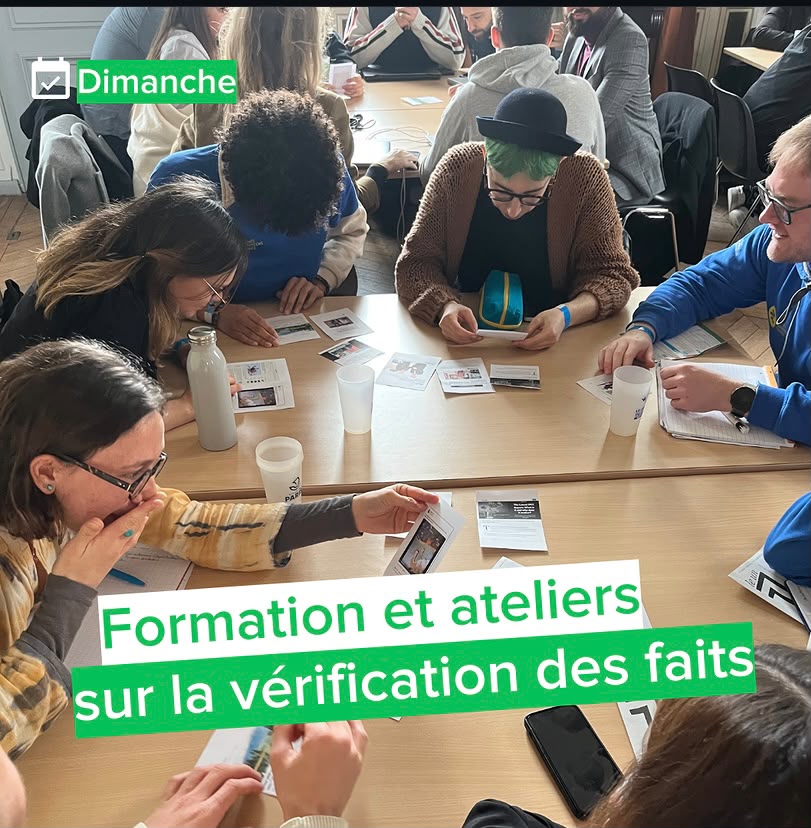
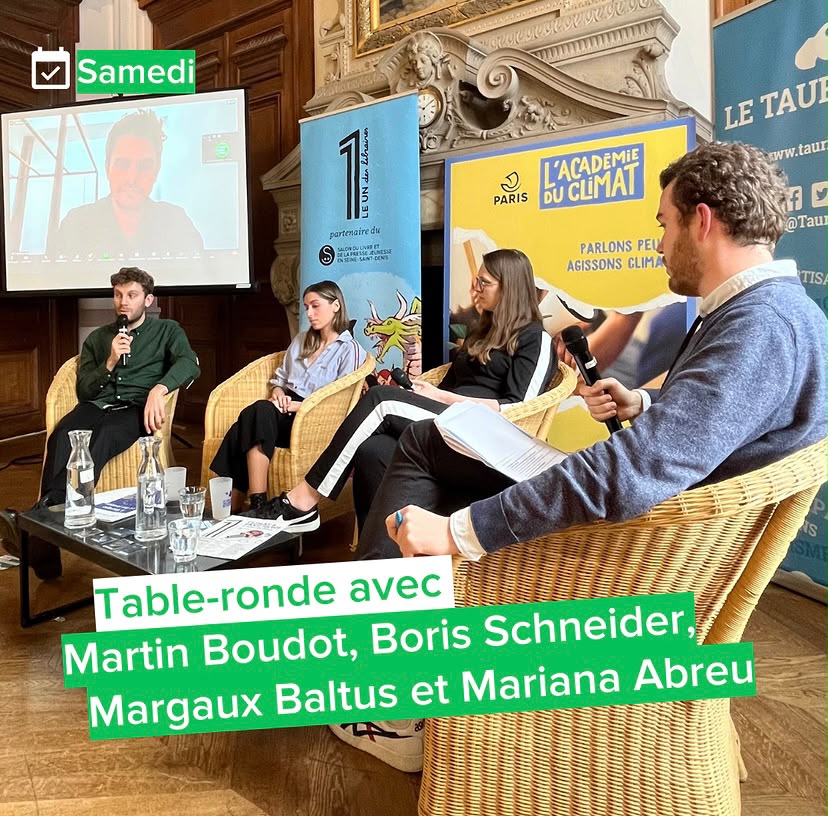
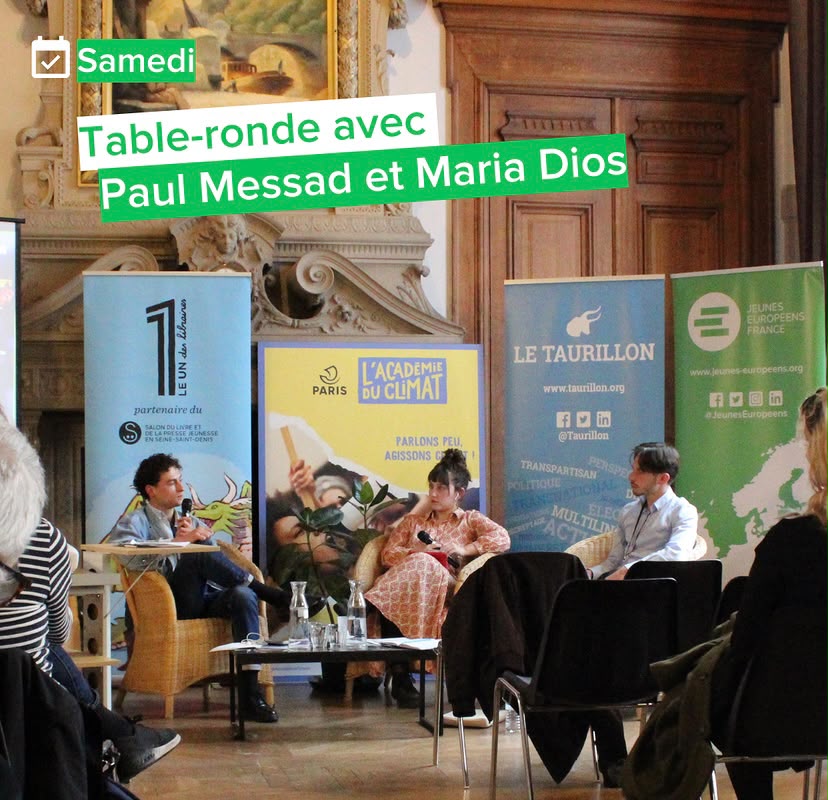
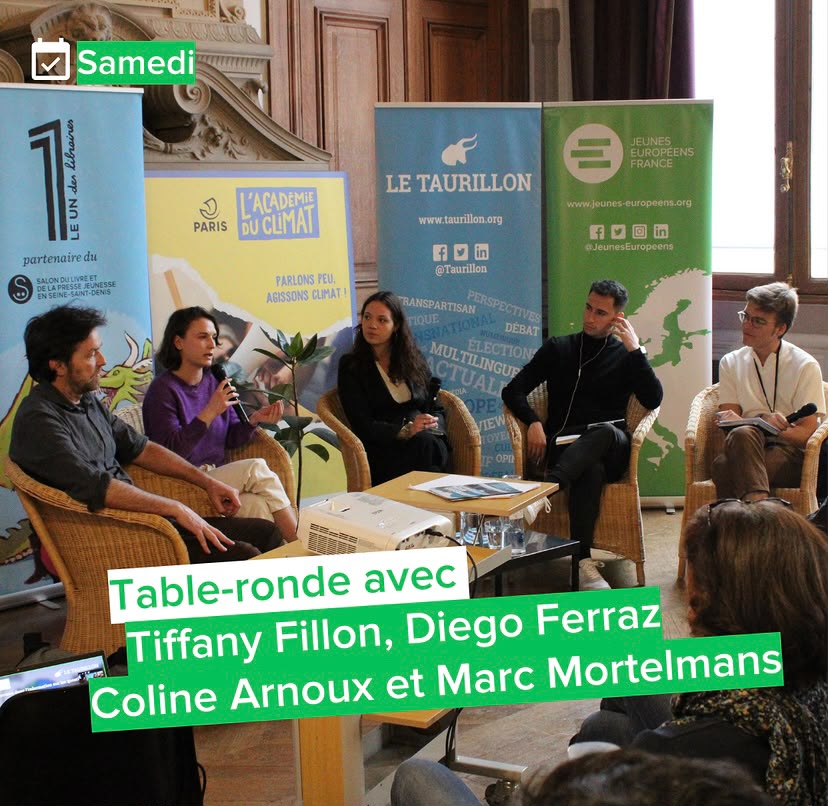
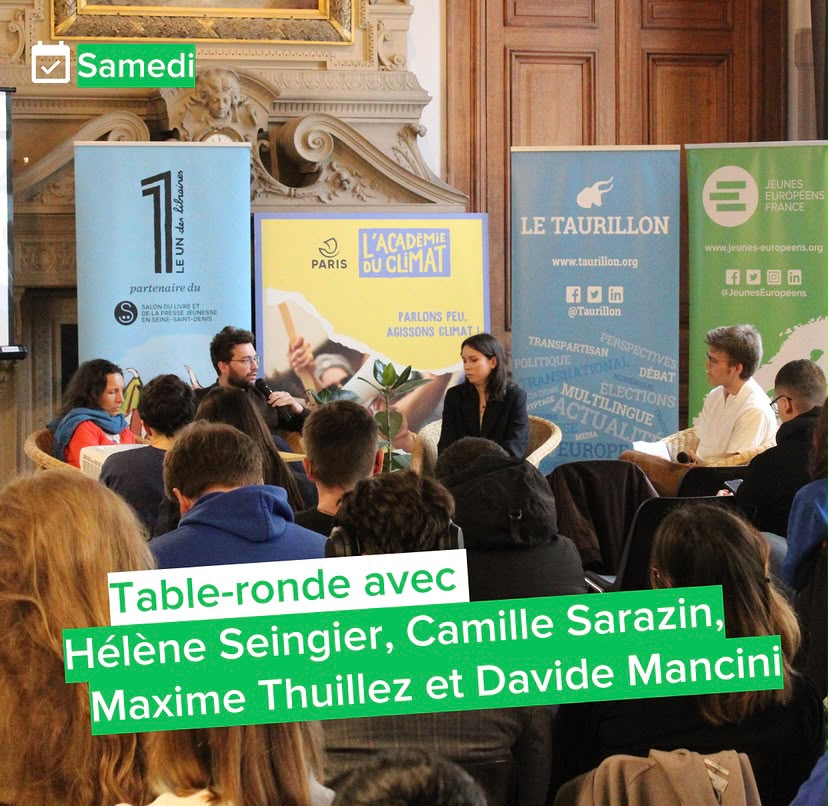
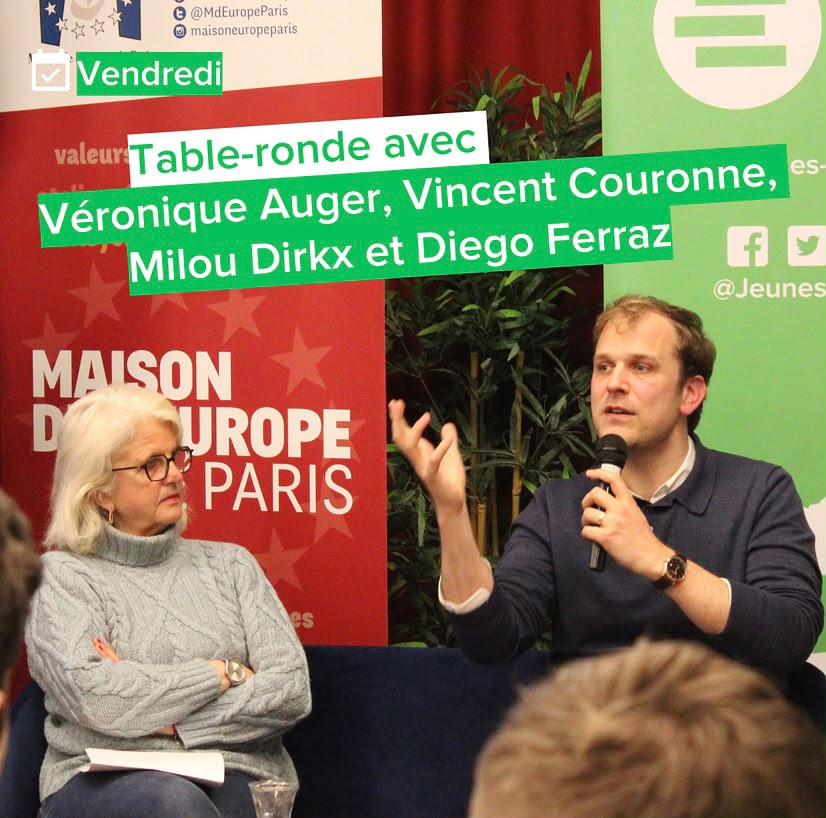
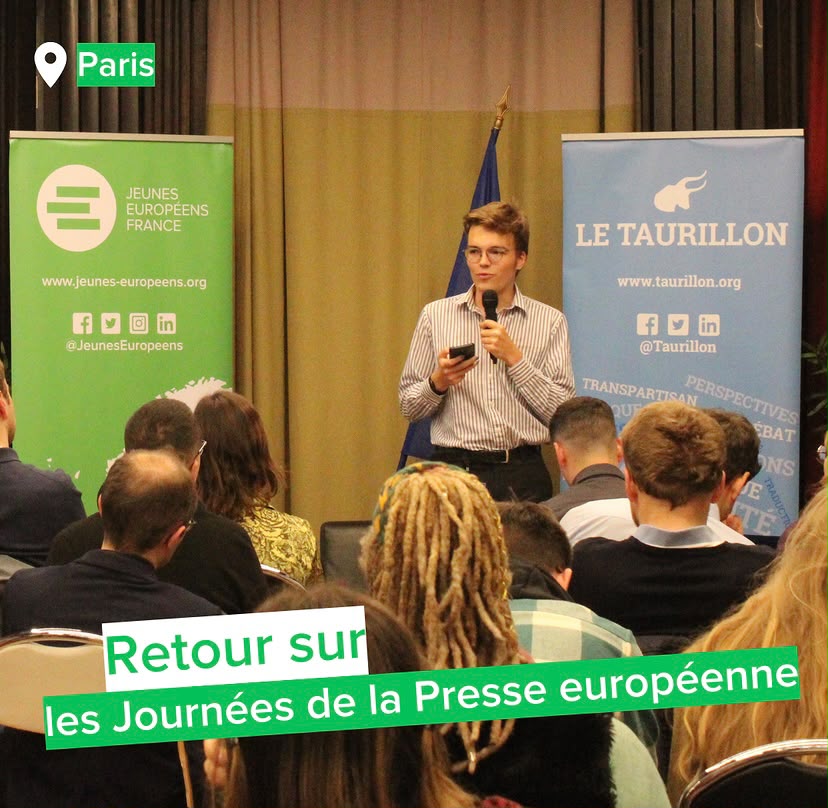
What I took away from it: these round tables made me realise just how fragile the European information space is in the face of disinformation. Journalists and speakers stressed that fact-checking is not just a technical tool, but a condition for democratic trust itself: without rigorous verification of information, European public debate loses its common ground. These discussions also reminded me that European journalism faces specific challenges: the flow of information across countries, languages and cultures, and the absence of a truly shared media space at the continental scale.
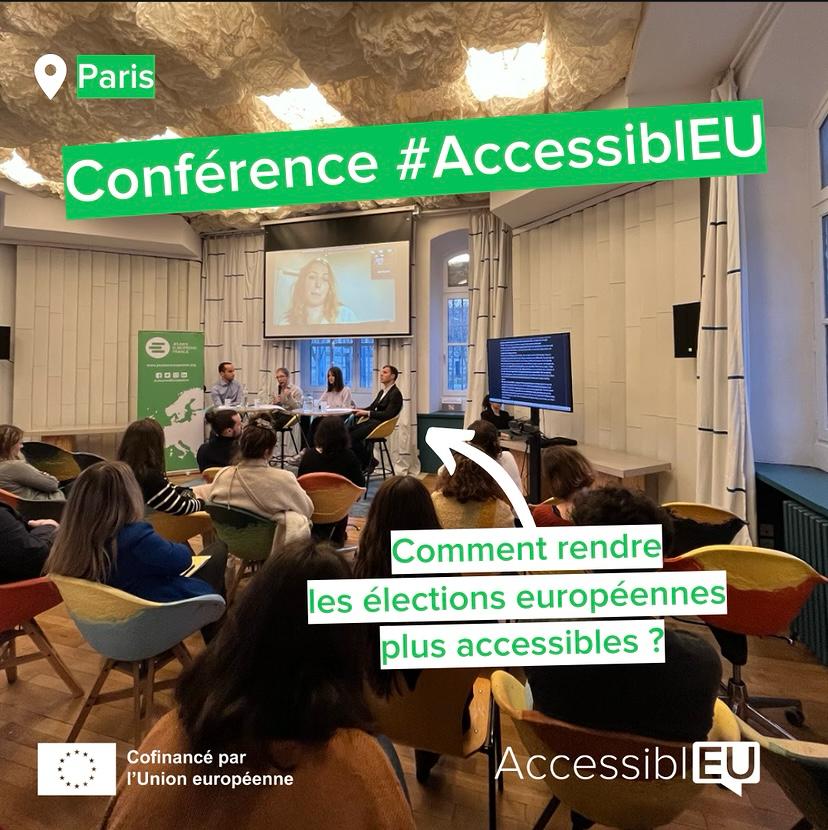
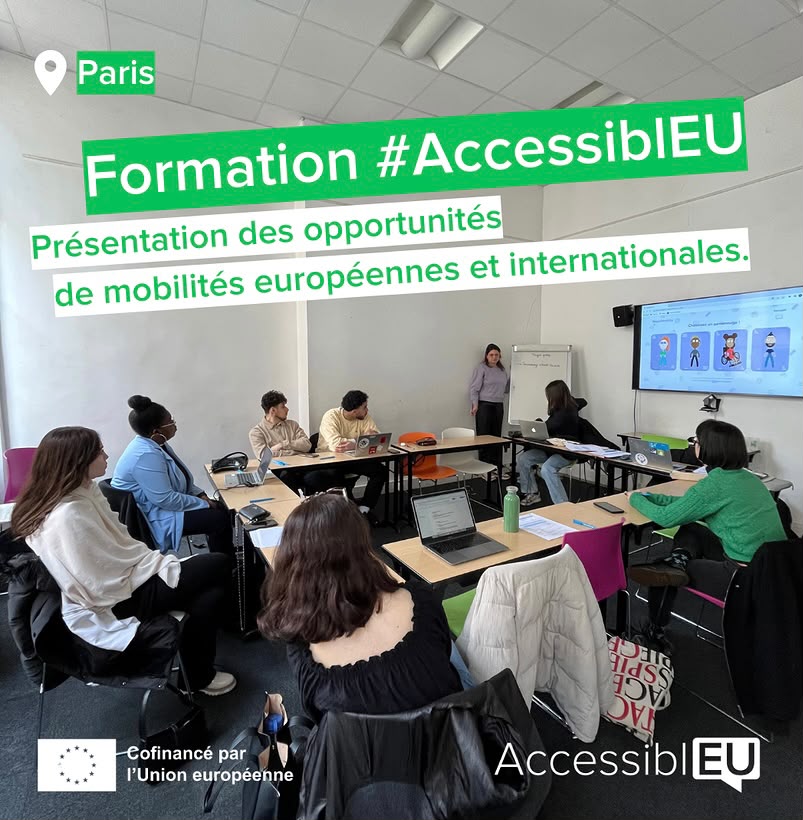
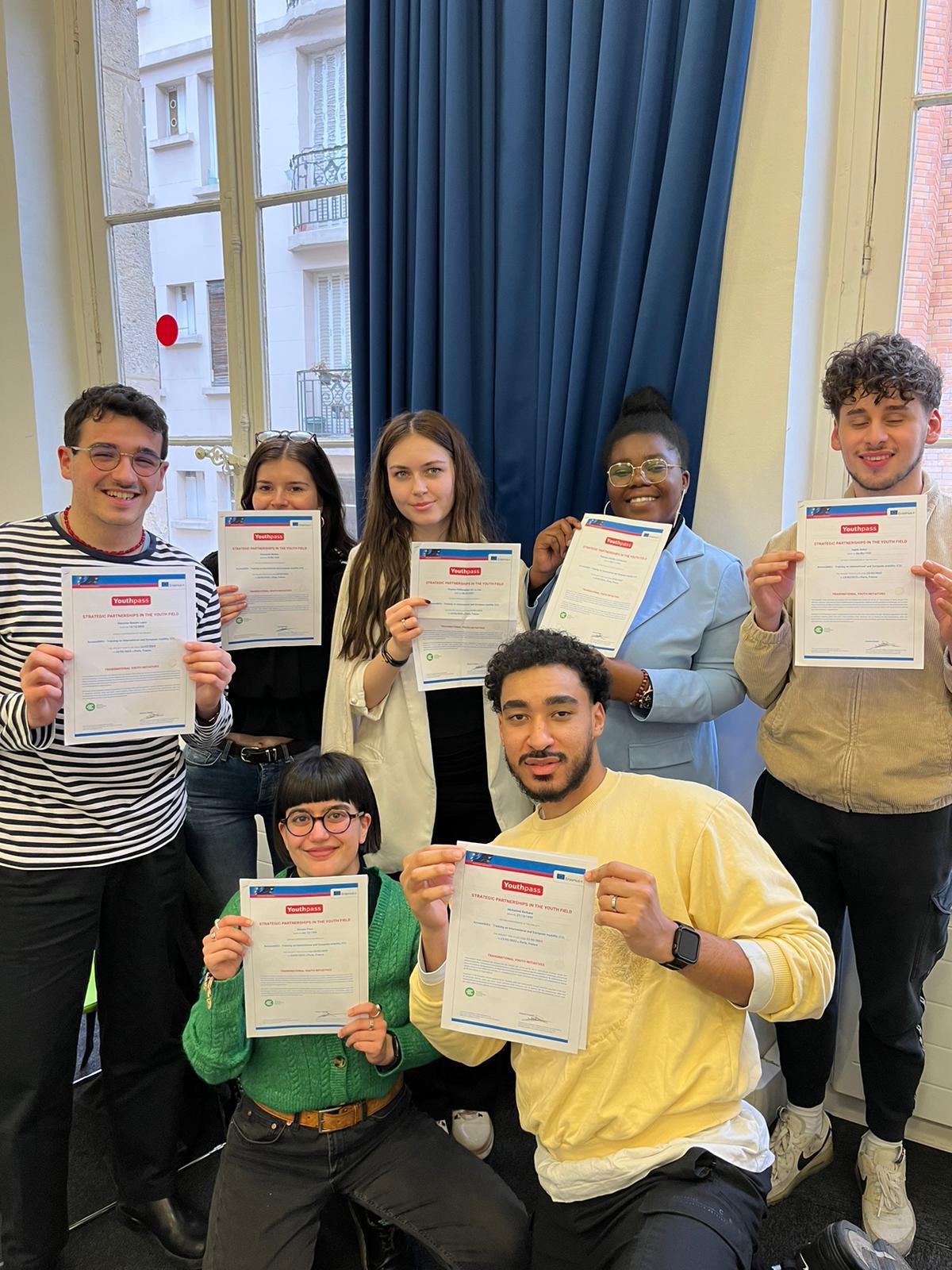
What I took away from it: the training, held in English, covered the various mobility and engagement schemes across Europe and beyond (VSI, VIE, VIA, Au Pair, Erasmus+, among others), and we designed civic projects aimed at better including young people and raising their awareness of European life, reminding them that they are also European citizens, beyond their nationality. The closing conference, also in English, focused on the accessibility of European elections, a blind spot too often overlooked in the design of election campaigns.